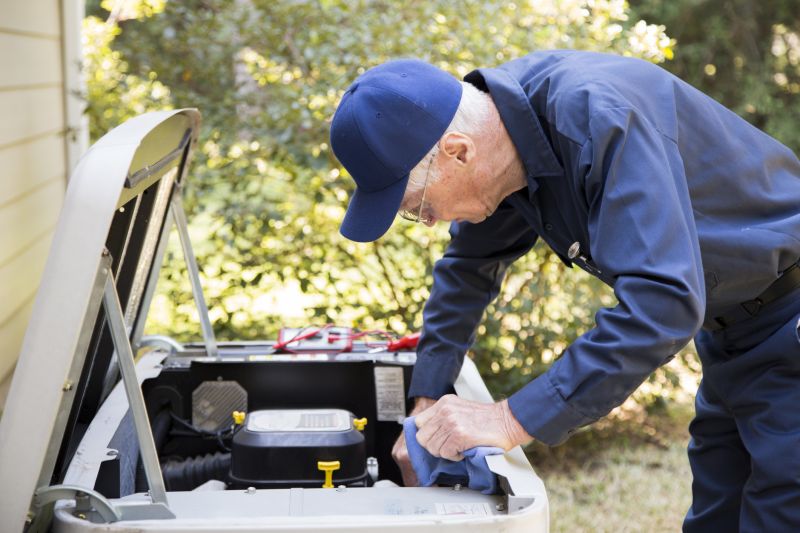
Generator Leak Repair in Provo, UT
Generator leak repair services involve identifying and fixing leaks in generators to prevent water or other fluids from escaping and causing potential damage. These repairs typically cover issues such as cracked or damaged seals, faulty gaskets, corrosion, or worn-out components that may lead to leaks. Homeowners often request this service when noticing signs of fluid accumulation around their generator, unusual noises, or decreased performance, aiming to ensure their backup power systems operate reliably during outages.
Before requesting generator leak repair, property owners should understand the type of generator they have, as different models may require specific repair approaches. It’s also helpful to know what kind of fluid is leaking-whether it’s fuel, oil, or coolant-as this can influence the repair process. Clear information about the location and extent of the leak, along with any recent maintenance or issues experienced, can assist in diagnosing the problem accurately and ensuring the necessary repairs are performed effectively.
Many property owners in Provo, UT look into Generator Leak Repair for repairs, replacements, upgrades, and appearance-related improvements.
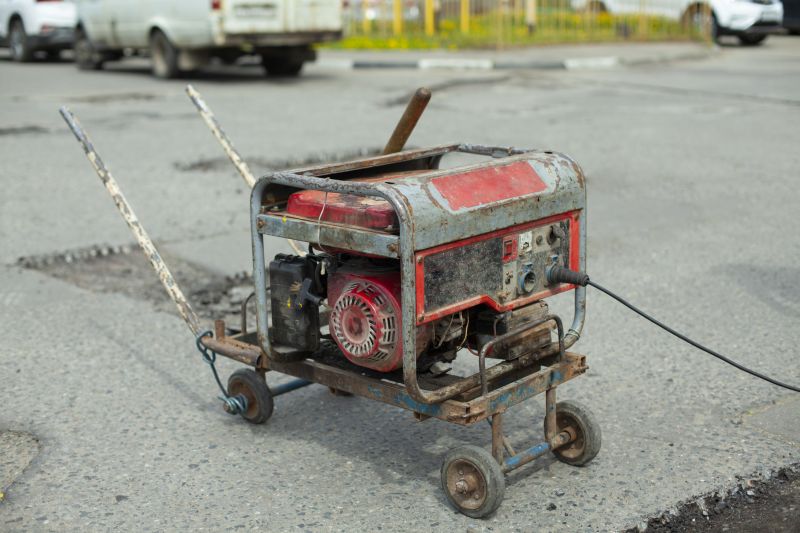
Identifying Generator Leaks
Signs of a generator leak include unusual odors, visible fluid spots, and decreased performance.
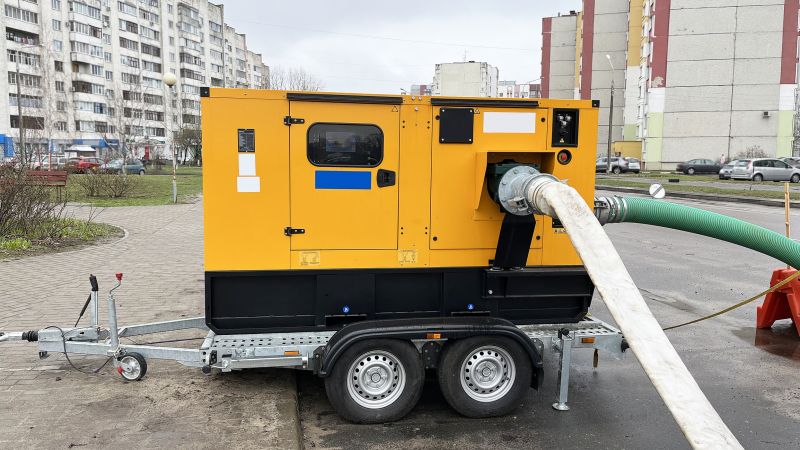
Common Causes Of Generator Leaks
Leaks can result from worn seals, cracked hoses, or loose fittings in generator systems.
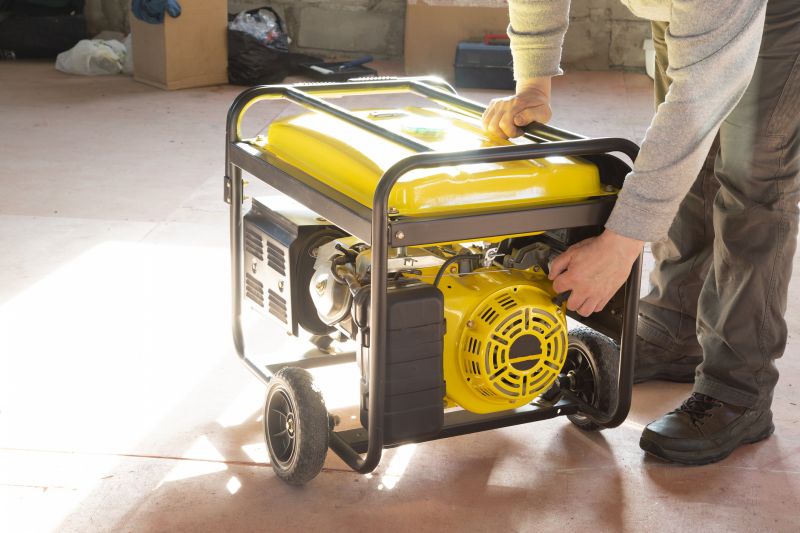
Preventative Maintenance Tips
Regular inspections and timely repairs help prevent generator leaks and ensure reliable operation in provo, ut.
Generator Leak Repair in Provo, UT
Generator leak repair services involve identifying and fixing leaks in generators to prevent water or other fluids from escaping and causing potential damage. These repairs typically cover issues such as cracked or damaged seals, faulty gaskets, corrosion, or worn-out components that may lead to leaks. Homeowners often request this service when noticing signs of fluid accumulation around their generator, unusual noises, or decreased performance, aiming to ensure their backup power systems operate reliably during outages.
Before requesting generator leak repair, property owners should understand the type of generator they have, as different models may require specific repair approaches. It’s also helpful to know what kind of fluid is leaking-whether it’s fuel, oil, or coolant-as this can influence the repair process. Clear information about the location and extent of the leak, along with any recent maintenance or issues experienced, can assist in diagnosing the problem accurately and ensuring the necessary repairs are performed effectively.
Many property owners in Provo, UT look into Generator Leak Repair for repairs, replacements, upgrades, and appearance-related improvements.
Common Generator Leak Repair Jobs
Generator leak repair involves diagnosing and sealing leaks in generator fuel, oil, or coolant systems.
Leak detection services identify the source of leaks to prevent equipment damage and ensure safe operation.
Fuel line repairs address cracks or drips in fuel delivery systems to maintain proper generator function.
Coolant system repairs prevent overheating by fixing leaks in radiator hoses or water pumps.
Oil leak fixes help maintain proper lubrication and prevent engine damage.
Preventative leak sealing reduces the risk of generator failure during critical power needs.
Generator Leak Repair Questions
What causes generator leaks? Leaks can result from worn seals, cracked hoses, or corrosion in the fuel or oil systems.
How can I tell if my generator is leaking? Visible fluid pooling, stains underneath the unit, or low fluid levels are signs of a leak.
Is leak repair necessary for generator safety? Yes, addressing leaks promptly helps prevent damage and ensures reliable operation.
What types of leaks are common in generators? Common leaks include oil, fuel, and coolant leaks, depending on the generator's design and age.
Request Generator Leak Repair in Provo, UT
Use the quote form on this page to share the basics of your project and request more information for the type of work you need.